
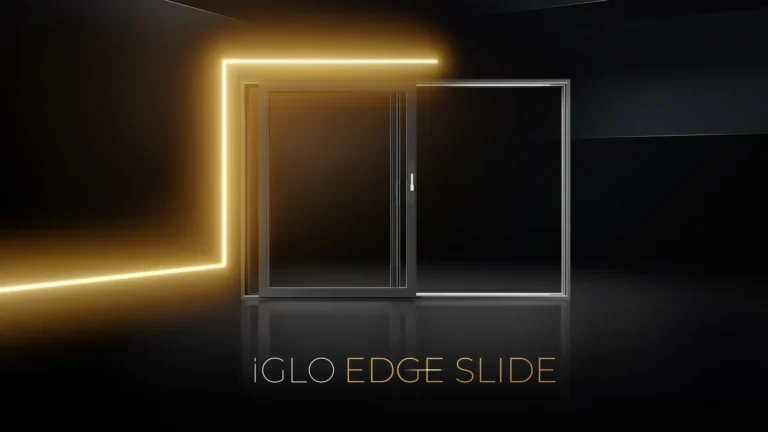
SLIDING SYSTEMS
Why homeowners choose sliding systems
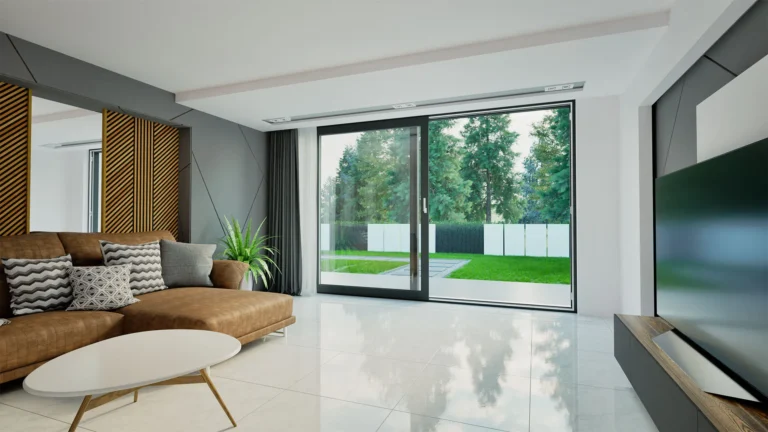
Sliding systems bring more daylight and a stronger visual impact by using large glazing that visually enlarges interiors and improves natural light, which directly increases everyday comfort, while also allowing wide openings and panoramic garden views. They are also space-saving because, unlike traditional doors, the sash does not swing inward—it moves parallel to the fixed section—making it easier to plan furniture layout, curtains, and blinds. In everyday use, quality sliding systems operate smoothly and reliably, so opening and closing feels intuitive, and premium solutions remain easy to handle even with large, heavy sashes. Finally, modern sliding constructions can deliver very good thermal and acoustic performance, which is particularly important in the Irish climate where protection against wind, moisture, and heat loss matters.
Types of sliding systems – which one to choose?
In practice, there are three common solutions. Each offers different advantages and a different price-to-performance “sweet spot”.
Tilt-and-slide (PSK).
In this system, the sash first moves away from the frame and then slides along the track. It typically also includes a tilt function for ventilation.
- Best for: those who want a sliding door solution within a sensible budget and value the tilt/vent option.
- Pros: strong value for money, ventilation function.
- Good to know: the threshold and overall operating comfort are usually not as “premium” as HST.
Lift-and-slide (HST)
This is the most comfortable system for large glazed openings. Turning the handle “lifts” the sash, reducing pressure on the seals and enabling very smooth sliding.
- Best for: large patio doors, garden-facing living spaces, premium projects.
- Pros: top-level operating comfort, very large sizes, low-threshold options for easier access.
- Good to know: typically a higher-cost option, but it delivers the best user experience.
Folding doors (bi-fold / bifold doors)
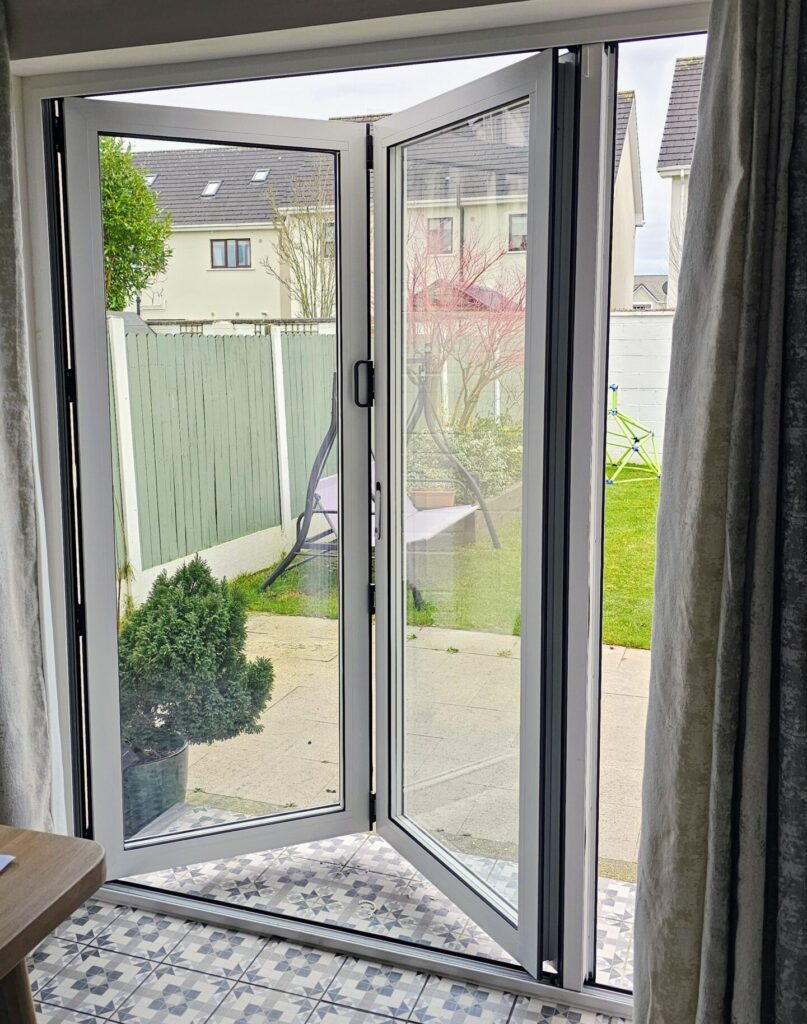
Bi-fold doors fold back in sections, stacking to one side to create a very wide opening—often close to a fully open wall. While they are not a classic “sliding” system in the strict sense, customers frequently compare bifolds with lift-and-slide and tilt-and-slide patio solutions.
- Best for: homeowners who want maximum opening width and a true “open-to-the-garden” feel.
- Pros: the widest clear opening, ideal for patio living and entertaining.
- Good to know: the stacked panels take up space at the side, and the system includes more moving parts and seals than typical sliding doors, so build quality, weather tightness, and correct installation are critical.
Key features to pay attention to
In practice, there are three common solutions. Each offers different advantages and a different price-to-performance “sweet spot”.
Tilt-and-slide (PSK).
In this system, the sash first moves away from the frame and then slides along the track. It typically also includes a tilt function for ventilation.
- Best for: those who want a sliding door solution within a sensible budget and value the tilt/vent option.
- Pros: strong value for money, ventilation function.
- Good to know: the threshold and overall operating comfort are usually not as “premium” as HST.
Lift-and-slide (HST)
This is the most comfortable system for large glazed openings. Turning the handle “lifts” the sash, reducing pressure on the seals and enabling very smooth sliding.
- Best for: large patio doors, garden-facing living spaces, premium projects.
- Pros: top-level operating comfort, very large sizes, low-threshold options for easier access.
- Good to know: typically a higher-cost option, but it delivers the best user experience.
Folding doors (bi-fold / bifold doors)
Bi-fold doors fold back in sections, stacking to one side to create a very wide opening—often close to a fully open wall. While they are not a classic “sliding” system in the strict sense, customers frequently compare bifolds with lift-and-slide and tilt-and-slide patio solutions.
- Best for: homeowners who want maximum opening width and a true “open-to-the-garden” feel.
- Pros: the widest clear opening, ideal for patio living and entertaining.
- Good to know: the stacked panels take up space at the side, and the system includes more moving parts and seals than typical sliding doors, so build quality, weather tightness, and correct installation are critical.
Sliding systems in real life – where they work best
Patio and garden access – maximum daylight and a wide opening.
New builds and renovations – a modern look with large glazing.
Kitchen and dining areas – easy outdoor access during family gatherings.
Rooms with limited space – no inward-opening door leaf.
How to choose the right sliding system
The best choice depends on the opening size, the level of comfort you expect, your budget, the frame material (uPVC vs aluminium), and whether a low threshold and maximum sash sizes are key requirements. That is why selection is best based on a site measure and a short consultation—so the configuration, glazing, and installation details can be matched to your project.
Summary
Sliding systems are an investment in comfort, natural light, and modern design. A properly selected sliding system provides smooth everyday use, an excellent visual effect, and performance that helps keep your home warm and protected from the elements. If you are planning patio doors or large glazing to the garden, it is worth comparing tilt-and-slide vs lift-and-slide solutions and considering aluminium where slim sightlines and design are priorities.